



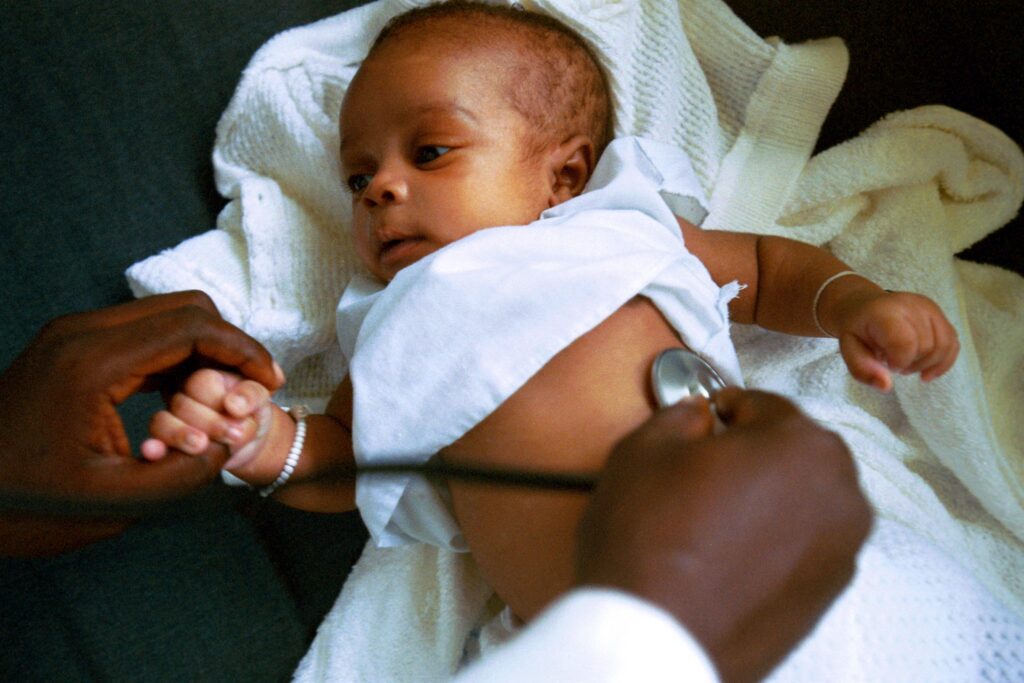

Neonatal sepsis is a major contributor to infant death and disability worldwide—it causes 400,000–700,000 deaths per year, mostly in low- and middle-income countries. Rapid diagnostic tests could reduce mortality and antimicrobial resistance. Our preliminary analysis shows that a diagnostic would cost-effectively save lives and reduce unnecessary antibiotic prescriptions. Despite this, no diagnostic currently exists, reflecting market failures which undermine the commercial incentives to invest in innovation. A Center for Global Development and MSA working group is developing an advance market commitment to address these market failures and incentivize the development of rapid diagnostics for neonatal sepsis. The working group comprises world-leading experts in health, economics, and policy and is chaired by Lord Jim O’Neill; it builds on the success of the $1.5 billion pneumococcal AMC which was incubated by MSA directors and CGD.
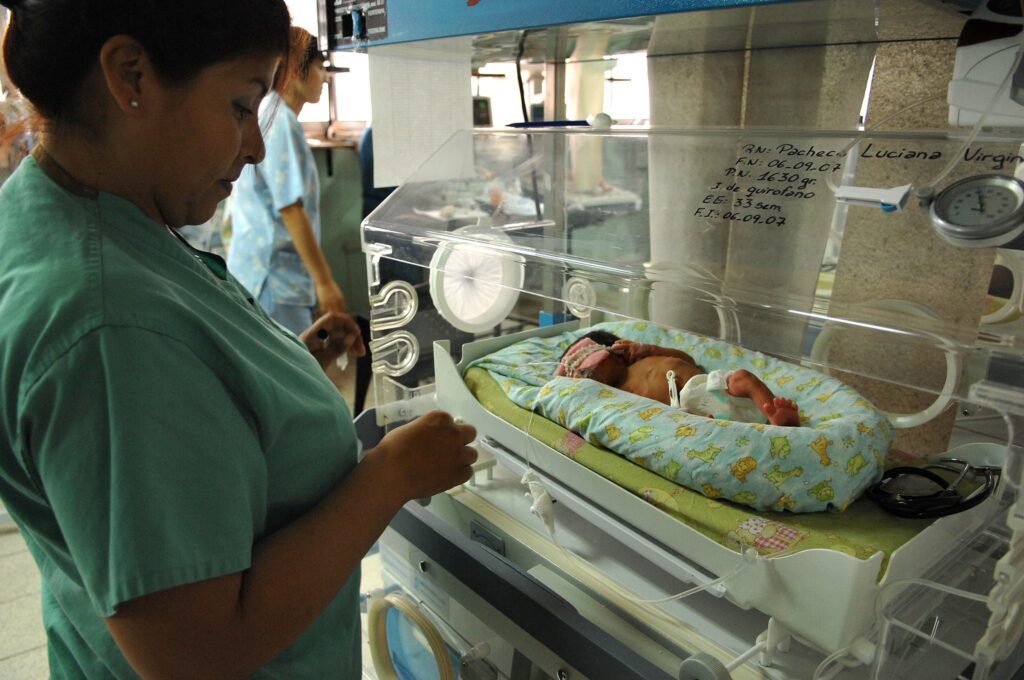
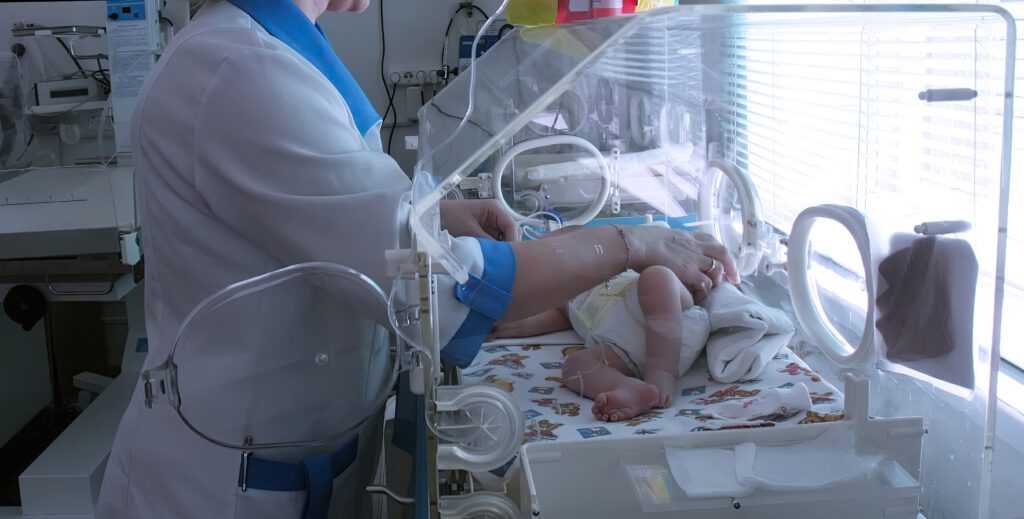
Neonatal sepsis kills one newborn every 45 seconds. Defined as a bloodstream infection in the first 60 days of life, it is responsible for 400,000–700,000 deaths per year—more young lives than malaria claims across all ages combined.
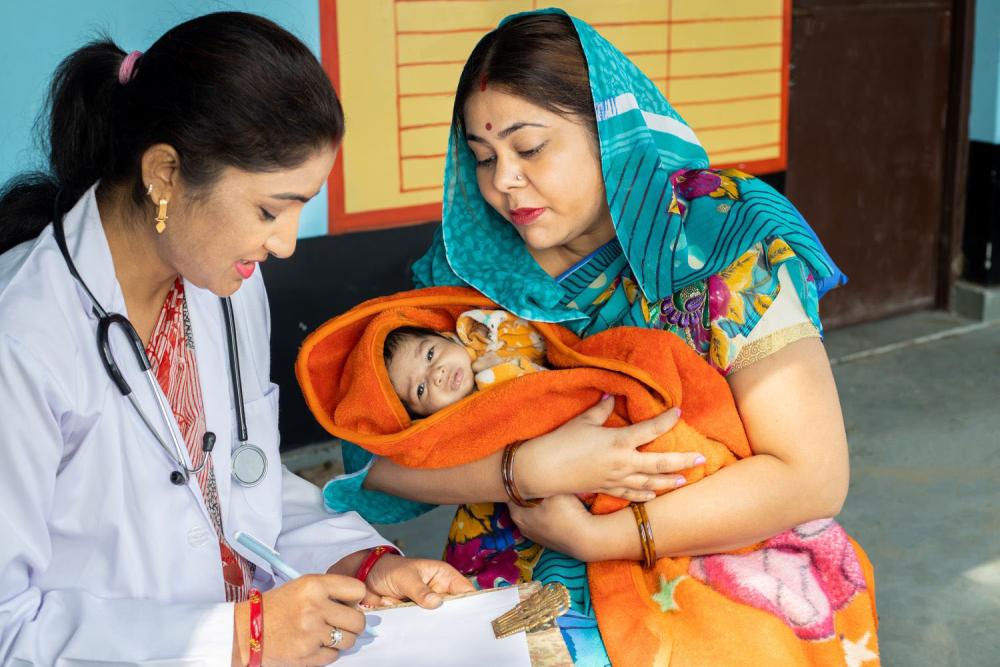
In this blog, we discuss how a rapid, point-of-care diagnostic for neonatal sepsis could transform pediatric care. Such a tool would avert over half of unnecessary antibiotic use and cut undetected cases by nearly two-thirds, ultimately reducing mortality by 12 percent and lowering healthcare costs by 11 percent.
This blog post is the third in a series introducing a new working group convened by CGD and the Market Shaping Accelerator (MSA) on developing an advance market commitment (AMC) for a rapid diagnostic test for neonatal sepsis in low- and middle-income countries.
This blog post is the second in a series introducing a new working group convened by CGD and the Market Shaping Accelerator (MSA) on developing an advance market commitment for a rapid diagnostic test for neonatal sepsis in low- and middle-income countries.
This blog post is the first in a series introducing a new working group convened by CGD and the Market Shaping Accelerator (MSA) on developing an advance market commitment (AMC) for a rapid diagnostic test for neonatal sepsis in low- and middle-income countries.
We can keep saving lives when foreign aid is dying.
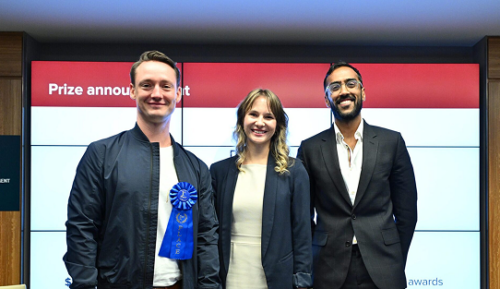
This event marks the culmination of MSA’s year-long open innovation competition. Teams from around the world competed to develop promising applications of market shaping pull mechanisms to reduce harm from pandemics and improve global health.
Akhil Bansal is a Policy Fellow on the global health team, focusing on market shaping for global health innovation. He is a practicing internal medicine doctor in the UK National Health Service (NHS) and has previously worked as a junior doctor in Australia.
Rachel Glennerster is the president of the Center for Global Development and a trustee on the Center for Global Development Europe’s board of trustees. Prior to joining CGD, she was at the University of Chicago.

Leah R. Rosenzweig is a senior fellow at the Center for Global Development and Director of the Market Shaping Accelerator (MSA). The CGD-MSA joint initiative aims to align incentives to advance innovations in pandemic preparedness, global health, and climate change.
Christopher Snyder is the Hyatt Professor in the Economics Department at Dartmouth College. His research and policy interests focus on incentivizing commercial markets to innovate to address global social problems such as pandemic preparedness and global warming.